Introduction
A Reverse Osmosis (RO) system is one of the most effective solutions for ensuring clean and safe drinking water. Whether used at home, in an office, or in a commercial setup, an RO system continuously removes dissolved salts, heavy metals, chemicals, and microorganisms from water. However, simply installing an RO purifier is not enough. Regular and proper maintenance is essential to keep your RO system working efficiently and delivering high-quality water.
Without timely maintenance, filters clog, membranes weaken, water flow reduces, and purification efficiency drops. Over time, this can lead to poor water taste, higher electricity consumption, and costly repairs. In this blog, we’ll explain how to maintain your RO system for better performance, covering essential maintenance tips, service schedules, common mistakes, and best practices for long-term reliability.
Understanding How an RO System Works
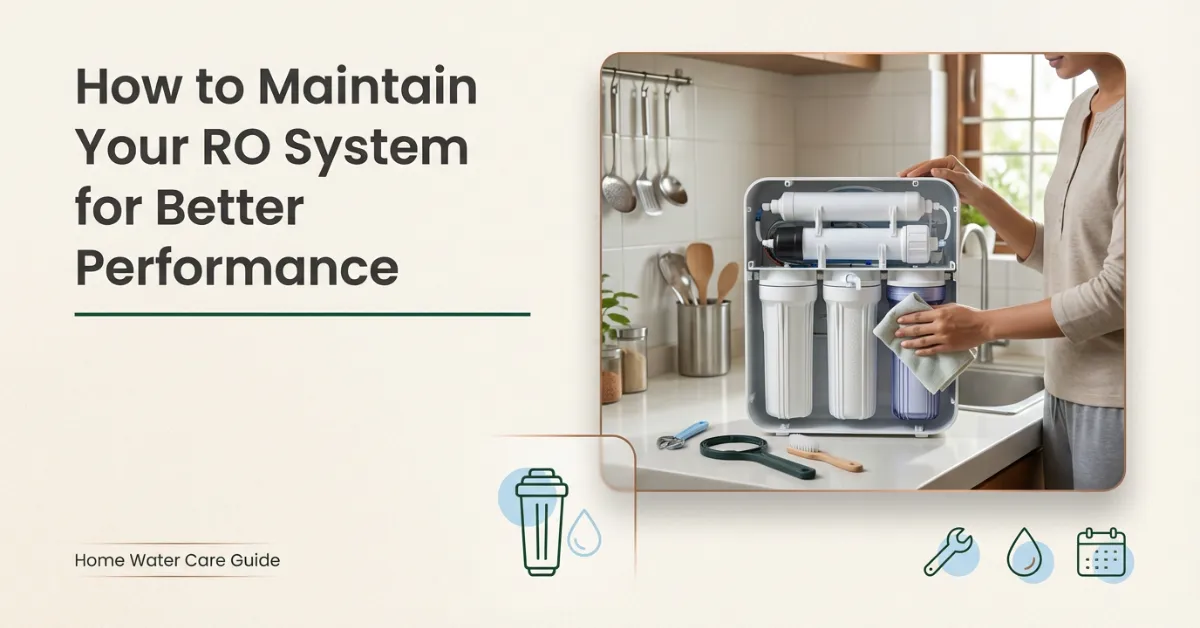
Before diving into maintenance, it helps to understand the basic components of an RO system:
Sediment Filter: Removes dust, sand, and rust
Carbon Filter: Eliminates chlorine, odor, and organic impurities
RO Membrane: Removes dissolved salts and heavy metals
Post-Carbon Filter: Improves taste
Storage Tank: Stores purified water
Pump and Valves: Control water pressure and flow
Each component plays a critical role. If one part fails, the entire system’s performance is affected.
Why Regular RO Maintenance Is Important
Proper maintenance ensures:
Consistent water quality
Better taste and odor
Higher water flow rate
Longer lifespan of the RO system
Reduced breakdowns and repair costs
Ignoring maintenance can result in contaminated water and damage to expensive components like the RO membrane.
1. Replace Pre-Filters on Time
Why Pre-Filters Matter
Pre-filters protect the RO membrane by removing sediments and chlorine. When these filters clog, the membrane gets damaged quickly.
Replacement Schedule
Sediment filter: Every 6 months
Carbon filter: Every 6–12 months
Signs Pre-Filters Need Replacement
Reduced water flow
Yellow or cloudy water
Unpleasant taste or smell
Timely replacement of pre-filters is one of the simplest yet most important maintenance steps.
2. Monitor and Replace the RO Membrane
Role of the RO Membrane
The RO membrane is the heart of the system. It removes up to 95–99% of dissolved impurities.
Replacement Frequency
Every 2–3 years for domestic systems
More frequently for high TDS or commercial use
Signs of Membrane Failure
Increase in TDS level
Bad taste in water
Continuous drainage water
Checking TDS levels regularly helps assess membrane health.
3. Clean and Sanitize the Storage Tank
Over time, bacteria and biofilm can develop inside the storage tank.
Best Practices
Clean the tank every 6–12 months
Use food-grade sanitizing agents
Ensure tank is rinsed thoroughly
A clean tank ensures hygienic storage of purified water.
4. Check Water Pressure Regularly
RO systems require proper water pressure to function effectively.
Ideal Pressure Range
40–60 psi
Why Pressure Matters
Low pressure reduces purification efficiency
High pressure can damage internal components
Ensure the booster pump and pressure switch are working correctly.
5. Inspect Pipes, Fittings, and Connections
Loose or damaged connections can cause leaks and pressure loss.
Maintenance Tips
Check for leaks monthly
Use food-grade pipes
Replace worn-out fittings
Even small leaks can affect performance and increase water wastage.
6. Maintain the Drain Line Properly
The drain line carries wastewater out of the system.
What to Watch For
Blockages or bends
Continuous water flow even when tank is full
A blocked drain line can cause back pressure and system failure.
7. Replace Post-Filters and Mineral Cartridges
Post-filters improve taste, while mineral cartridges add essential minerals.
Replacement Schedule
Every 6–12 months
Old post-filters can cause bad taste and odor.
8. Monitor TDS Levels Regularly
Why TDS Monitoring Is Important
TDS levels indicate how well your RO system is purifying water.
How to Monitor
Use a digital TDS meter
Compare input and output TDS
Sudden changes in TDS signal maintenance needs.
9. Schedule Professional Servicing
While basic maintenance can be done at home, professional servicing is essential.
Benefits of Professional Servicing
Deep cleaning
Accurate diagnostics
Proper component replacement
Domestic RO systems should be serviced 2–3 times a year, while commercial systems may need monthly or quarterly servicing.
10. Opt for an AMC (Annual Maintenance Contract)
An AMC ensures timely servicing, filter replacement, and peace of mind.
Benefits of AMC
Fixed annual cost
Regular maintenance
Priority service support
Better system performance
AMC is especially beneficial for commercial RO systems.
11. Use Quality Replacement Parts
Always use:
Original or compatible branded filters
Food-grade components
Certified membranes
Low-quality parts reduce performance and can contaminate water.
12. Keep the Installation Area Clean
Dust and moisture around the RO system can damage components.
Tips :
Keep the area dry
Avoid direct sunlight
Ensure proper ventilation
A clean environment improves system life.
13. Avoid Overuse Beyond Capacity
Using a domestic RO system for commercial needs can lead to rapid wear.
Best Practice
Choose a system that matches your daily water requirement
Upgrade capacity if usage increases
14. Watch for Warning Signs
Do not ignore these signs:
Reduced water flow
Strange noise from pump
Bad taste or smell
Continuous drain water
Early action prevents major failures.
15. Maintain Records of Servicing
Keeping a service log helps:
Track filter replacement dates
Monitor performance trends
Plan timely maintenance
This is especially useful for commercial users.
Common RO Maintenance Mistakes to Avoid
Delaying filter replacement
Ignoring TDS changes
Using low-quality spare parts
Skipping professional servicing
Avoiding these mistakes ensures consistent performance.
Environmental Tips for RO Maintenance
Reuse reject water for cleaning
Use high-recovery RO systems
Fix leaks immediately
Responsible maintenance reduces water wastage.
Conclusion
Maintaining your RO system is not complicated, but it requires consistency and awareness. From timely filter replacements and membrane checks to regular servicing and TDS monitoring, each step plays a vital role in ensuring better performance and safe drinking water.
A well-maintained RO system delivers clean, great-tasting water, reduces operational costs, and lasts longer. Whether for home or commercial use, following these maintenance practices will help you get the best out of your RO system for years to come.
FAQ's
Sediment and carbon filters should be replaced every 6–12 months, depending on water quality and usage, to maintain proper RO system performance.
If you notice an increase in TDS levels, reduced water quality, or continuous drain water, it usually indicates that the RO membrane needs replacement.
Yes. Professional servicing ensures deep cleaning, accurate diagnostics, and correct replacement of components, helping improve performance and system lifespan.
Yes, but an AMC makes maintenance easier and more cost-effective by ensuring timely servicing, filter replacement, and consistent water quality.
Ignoring maintenance can lead to poor water quality, low water flow, system breakdowns, higher repair costs, and potential health risks.
Related posts