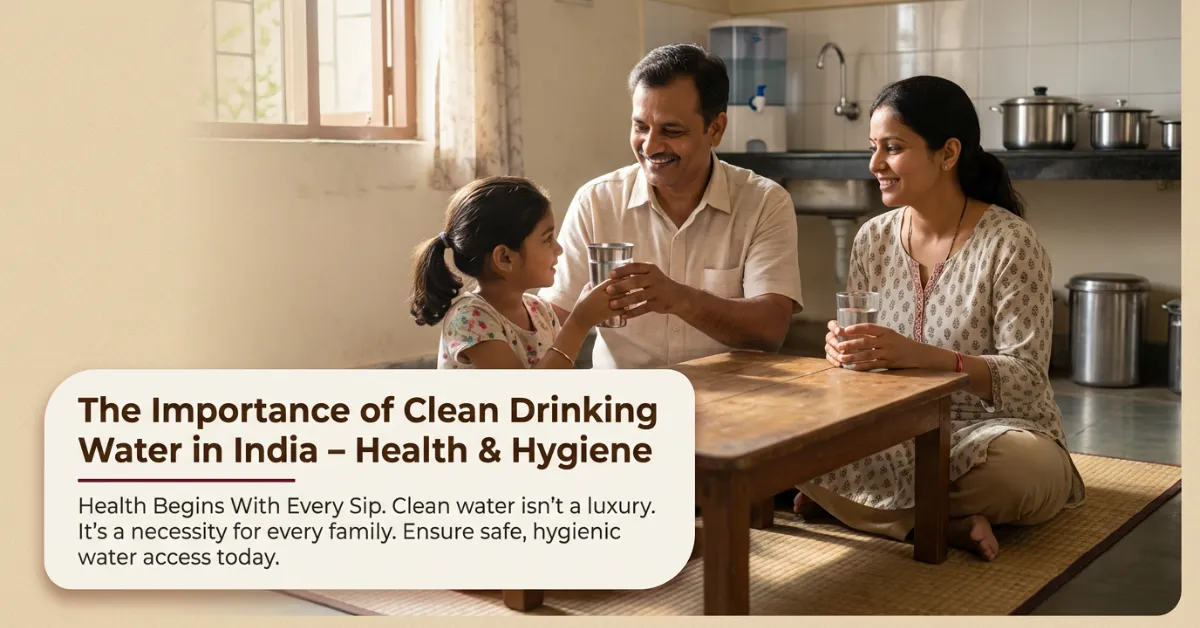
Water is life. Yet, in a country like India, millions of people still struggle to access safe and clean drinking water. Contaminated water is one of the leading causes of health problems such as diarrhea, cholera, typhoid, and long-term kidney and liver issues. According to health experts, clean drinking water is not only essential for survival but also for maintaining proper hygiene and a healthy lifestyle.
In this blog, we’ll explore why clean water is so important for Indian homes, how unsafe water affects health, and what steps can be taken to ensure safe drinking water.
Why Clean Drinking Water is Essential
Clean water is the foundation of good health. It plays a vital role in:
- Preventing Diseases: Contaminated water spreads bacteria, viruses, and parasites that cause waterborne diseases.
- Supporting Hygiene: Safe water is needed for handwashing, cooking, and maintaining proper sanitation.
- Boosting Immunity:Pure water helps the body flush out toxins and strengthens the immune system.
- Child Growth & Development:Children need safe drinking water to avoid malnutrition and stunted growth caused by frequent infections.
The Current Water Challenges in India
India faces several water-related challenges that affect health and hygiene:
- Groundwater Contamination: Many rural areas depend on groundwater, which often contains arsenic, fluoride, and high TDS levels.
- Urban Water Pollution: In cities, sewage and industrial waste often mix with drinking water sources.
- Microbial Contamination: Bacteria, viruses, and parasites in untreated water cause frequent outbreaks of diarrheal diseases.
- Poor Sanitation Practices:Lack of clean toilets and safe sewage disposal leads to water pollution.
Health Impact of Unsafe Drinking Water
The World Health Organization (WHO) reports that millions of Indians suffer from waterborne diseases each year. Some of the major health impacts include:
- Diarrhea & Gastrointestinal Issues – leading cause of child mortality in rural India.
- Kidney & Liver Problems – due to high levels of fluoride, arsenic, and heavy metals.
- Weak Immunity & Malnutrition – repeated infections prevent proper nutrient absorption.
- Skin Infections & Poor Hygiene – caused by contaminated water usage for bathing and cleaning.
Clean Drinking Water and Hygiene Go Hand in Hand
Safe drinking water is not just about quenching thirst. It is a critical part of hygiene practices such as:
- Washing hands before meals and after using the toilet
- Cooking food with purified water
- Cleaning fruits and vegetables properly
- Maintaining clean utensils and kitchen surfaces
Without clean water, even the best hygiene practices fail, increasing the risk of diseases.
Solutions to Ensure Safe Drinking Water in India
- Household Water Purifiers: Using RO, UV, or activated carbon purifiers ensures water safety.
- Boiling Water: A traditional but effective way to kill germs in water.
- Government Initiatives: Programs like Jal Jeevan Mission aim to provide tap water to every household.
- Community Awareness: Educating people about water hygiene and purification methods.
- Rainwater Harvesting: A sustainable solution to reduce dependency on contaminated water sources.
Conclusion: A Step Toward Better Health
Access to clean drinking water in India is not just a basic necessity, it is a matter of health, hygiene, and dignity. By adopting proper purification methods at home, supporting government initiatives, and spreading awareness, we can reduce waterborne diseases and build a healthier future.
Every drop of safe water counts — because good health begins with what we drink.
FAQ's
Waterborne diseases in India include diarrhea, cholera, typhoid, hepatitis A, and dysentery. These are mainly caused by consuming water contaminated with bacteria, viruses, and parasites.
Many rural areas depend on groundwater, which often contains harmful substances like arsenic, fluoride, and excessive salts (TDS). Long-term consumption can lead to health problems such as bone deformities, kidney disease, and dental issues.
Families can use RO/UV water purifiers, boil water, or use activated carbon filters. Additionally, storing water in clean, covered containers prevents recontamination.
The Jal Jeevan Mission is one of the largest programs, aiming to provide piped tap water to every rural household. Other initiatives focus on improving sanitation, water quality testing, and awareness campaigns.
Safe water is essential for cooking, handwashing, and cleaning food. It prevents infections, supports better immunity, and reduces the spread of diseases, especially among children.
