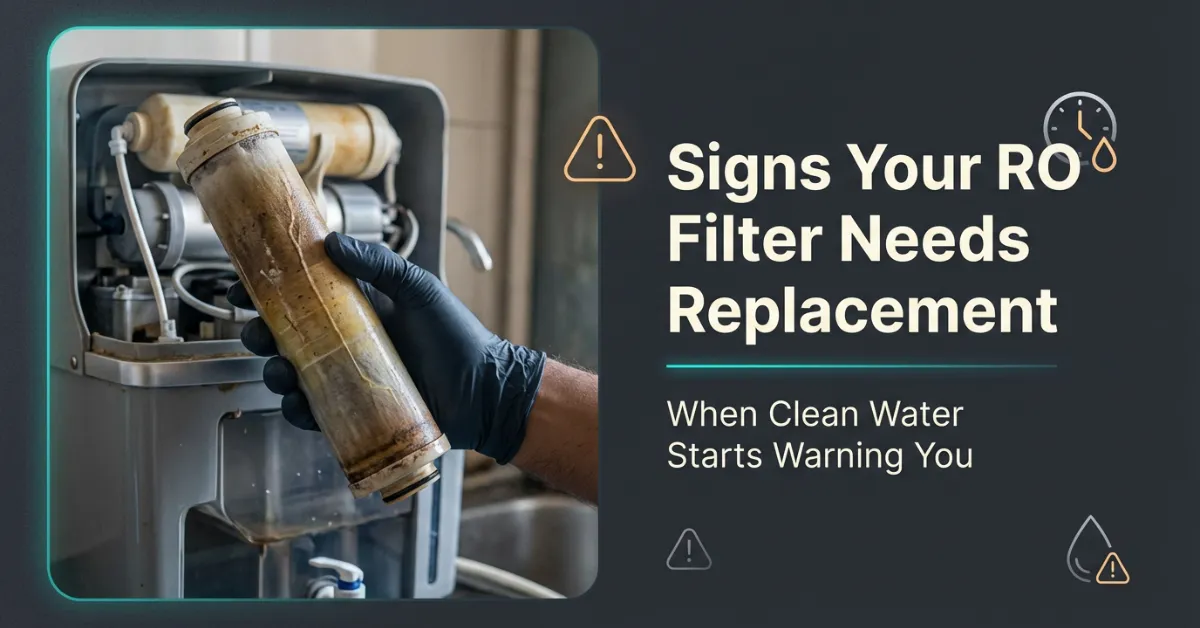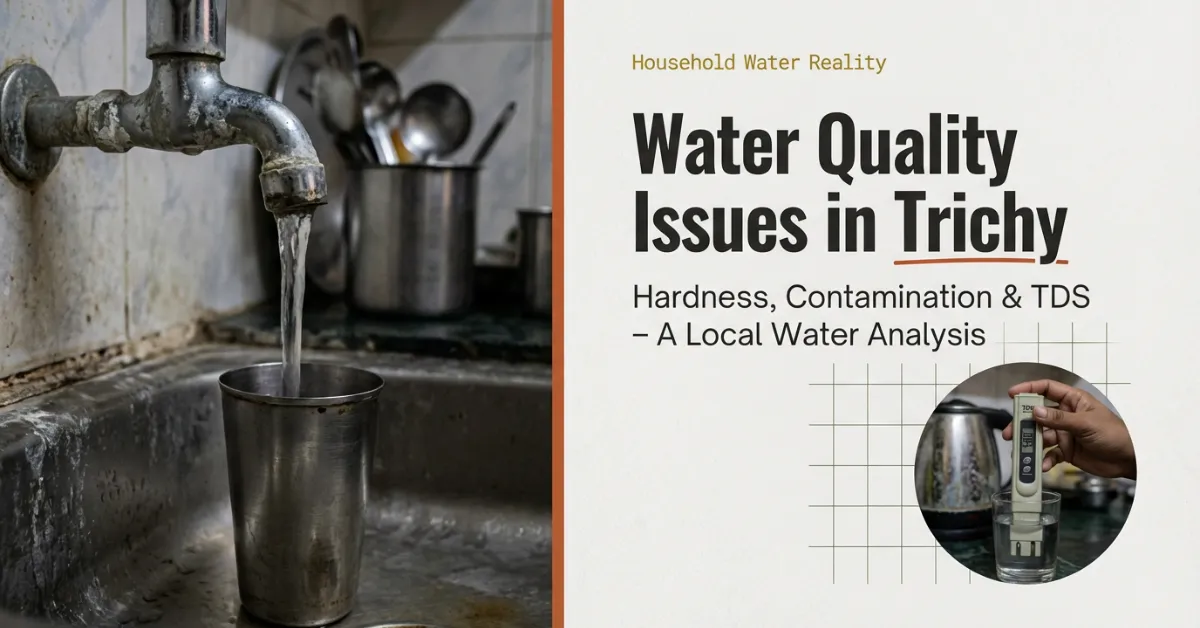
Water is a basic necessity for life, yet in many Indian cities, access to clean and safe drinking water remains a challenge. Trichy (Tiruchirappalli), one of Tamil Nadu’s fastest-growing cities, faces several water quality issues due to rapid urbanization, dependence on borewell water, and seasonal river supply. Residents across Trichy frequently report problems like hard water, high TDS levels, and contamination, which directly affect health, household appliances, and overall quality of life.
In this detailed blog, we’ll explore the major water quality issues in Trichy, their causes, health impacts, and practical solutions for homes and businesses.
Overview of Water Sources in Trichy
Trichy depends on multiple water sources, including:
Cauvery River water (primary municipal supply)
Borewell and groundwater
Open wells
Tanker water (in water-scarce areas)
While Cauvery water is relatively safer, many areas rely heavily on groundwater, especially during summer. Groundwater quality varies significantly across locations, leading to widespread water-related problems.
1. Hard Water Problem in Trichy
What Is Hard Water?
Hard water contains high levels of dissolved minerals, mainly calcium and magnesium. These minerals enter groundwater as water passes through limestone and rocky soil layers.
Why Hard Water Is Common in Trichy
Heavy dependence on borewell water
Rocky underground formations
Low groundwater recharge in some zones
Many areas in Trichy experience moderate to severe water hardness, especially in suburban and newly developed localities.
Signs of Hard Water
White stains on taps and tiles
Soap not lathering properly
Scale buildup in kettles and heaters
Dry skin and rough hair
Impact of Hard Water
Shortens lifespan of appliances
Increases electricity consumption
Causes skin irritation and hair fall
Not suitable for RO systems without proper pre-treatment
2. High TDS Levels in Trichy Water
What Is TDS?
TDS (Total Dissolved Solids) measures the amount of dissolved salts, minerals, and metals in water. It is expressed in ppm (parts per million).
Typical TDS Levels in Trichy
Cauvery water: Generally low to moderate
Borewell water: Often high TDS
Tanker water: Varies widely
In many residential areas, groundwater TDS exceeds 1000 ppm, making it unsuitable for direct consumption.
Problems Caused by High TDS
Salty or bitter taste
Stomach discomfort
Mineral imbalance in the body
Damage to RO membranes if untreated
Health Concerns
Long-term consumption of high-TDS water may:
Affect kidney function
Cause digestive issues
Increase blood pressure (in sensitive individuals)
3. Water Contamination Issues
Types of Contamination Found in Trichy
Water contamination in Trichy can be broadly classified into:
Biological Contamination
Bacteria
Viruses
Parasites
Caused by:
Leaking pipelines
Poor sewage systems
Open water storage
Chemical Contamination
Excess fluoride
Nitrates
Heavy metals (in some areas)
Often linked to:
Agricultural runoff
Industrial waste
Natural geological conditions
Seasonal Contamination
During monsoon and flooding:
Sewage mixes with drinking water lines
Borewell water becomes muddy
Bacterial contamination increases
4. Area-Wise Water Quality Variation in Trichy
Water quality in Trichy is not uniform. Even within short distances, quality may differ due to:
Borewell depth
Soil type
Water source
Some areas receive mixed Cauvery and borewell water, while others rely fully on groundwater, leading to differences in hardness, TDS, and contamination levels.
5. Effects of Poor Water Quality on Daily Life
Health Issues
Stomach infections
Skin allergies
Hair fall and dryness
Long-term organ stress
Household Problems
Pipe scaling
Frequent RO breakdowns
High maintenance costs
Reduced appliance life
Commercial Impact
Hotels, offices, and restaurants face:
Higher maintenance expenses
Customer complaints
Increased water purification costs
6. Is Municipal Water in Trichy Safe?
Municipal Cauvery water is generally treated and safe. However:
Old pipelines may cause contamination
Intermittent supply increases contamination risk
Storage tanks may introduce bacteria
Therefore, secondary purification at home is still recommended.
7. Best Water Purification Solutions for Trichy
RO Water Purifiers
Best for:
High TDS areas
Borewell water users
Removes:
Dissolved salts
Heavy metals
Harmful chemicals
RO + UV + UF Systems
Ideal for:
Mixed water sources
Areas with both high TDS and bacterial risk
Water Softeners
Recommended for:
Reducing hardness
Protecting plumbing and appliances
Pre-Filters
Useful for:
Muddy water
Extending RO filter life
8. Importance of Regular Water Testing
Water quality changes over time. Regular testing helps:
Monitor TDS levels
Identify contamination early
Choose correct purification system
Experts recommend testing water once every 6 months, especially for borewell users.
9. Maintenance Challenges in Trichy
Due to hard water and high TDS:
Filters clog faster
RO membranes wear out sooner
Frequent servicing is required
This makes AMC (Annual Maintenance Contracts) highly beneficial for Trichy residents.
10. Expert Tips for Trichy Residents
Use RO purifiers with TDS control
Install water softeners for hard water
Clean storage tanks regularly
Avoid using untreated borewell water
Opt for professional servicing
Future Water Concerns in Trichy
With rising population and declining groundwater levels:
Water quality issues may worsen
Dependence on borewell water will increase
Advanced purification will become essential
Sustainable water usage and rainwater harvesting are critical for long-term improvement.
Conclusion
Water quality issues in Trichy—hardness, contamination, and high TDS—are real and growing concerns. While Cauvery water provides some relief, groundwater dependency exposes many households to unsafe drinking water. Understanding these issues and choosing the right purification solutions is the key to protecting your family’s health.
Regular water testing, proper purification systems, and timely maintenance can ensure safe, clean, and healthy drinking water, even in challenging water conditions like those in Trichy.
Because when it comes to water, quality matters more than quantity.
FAQ's
Borewell water in Trichy passes through rocky and mineral-rich soil layers, which increases calcium and magnesium content, leading to hard water.
Cauvery water is generally treated and safer than groundwater, but contamination can still occur due to old pipelines and storage issues, so home purification is recommended.
According to standards, drinking water TDS should ideally be below 500 ppm. Water above this level may require RO purification.
Signs include foul smell, unusual taste, cloudy appearance, frequent stomach issues, or lab test results showing bacteria or chemicals.
For most areas in Trichy, an RO or RO+UV+UF purifier is best, especially for high TDS and mixed water sources.