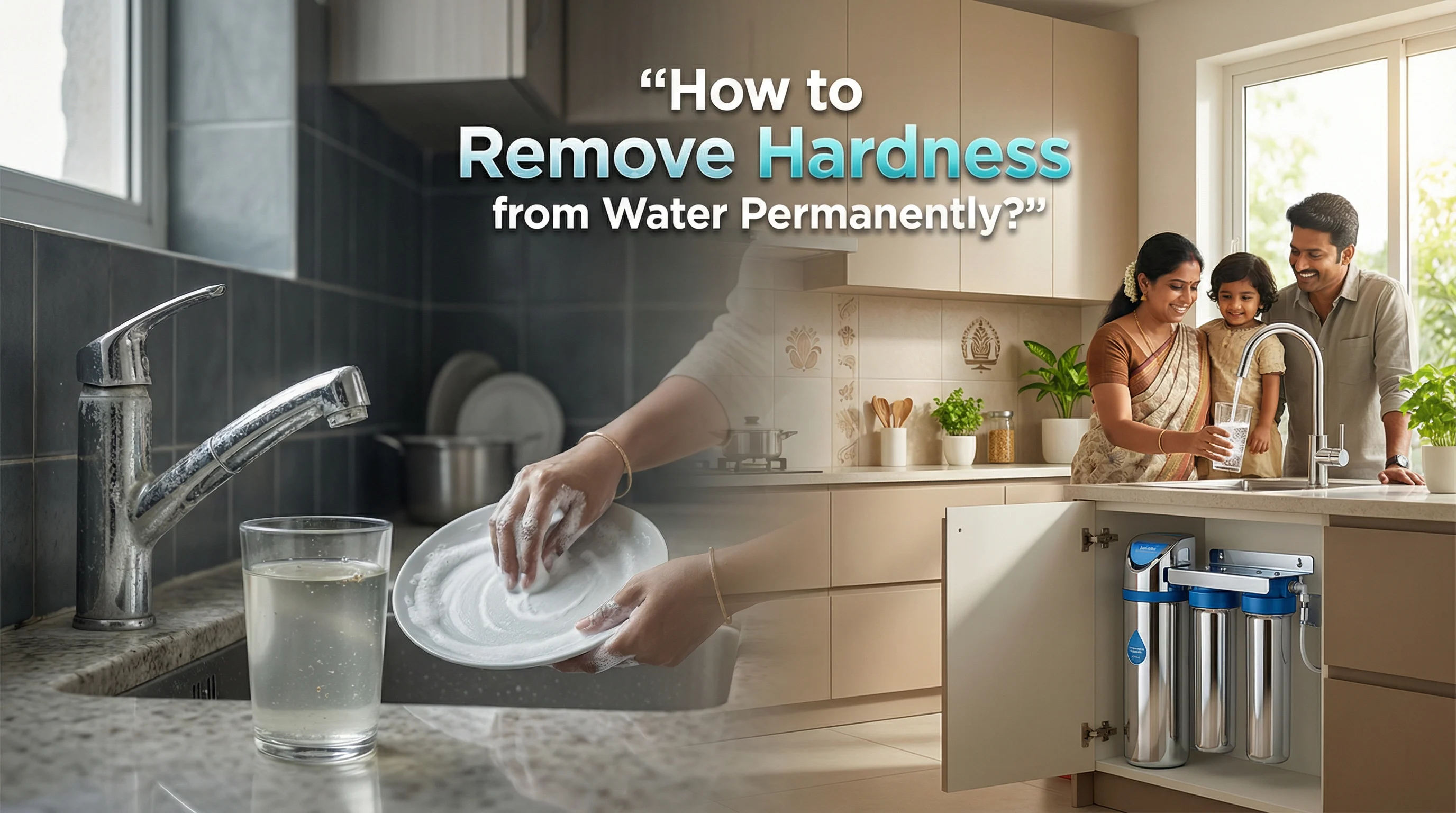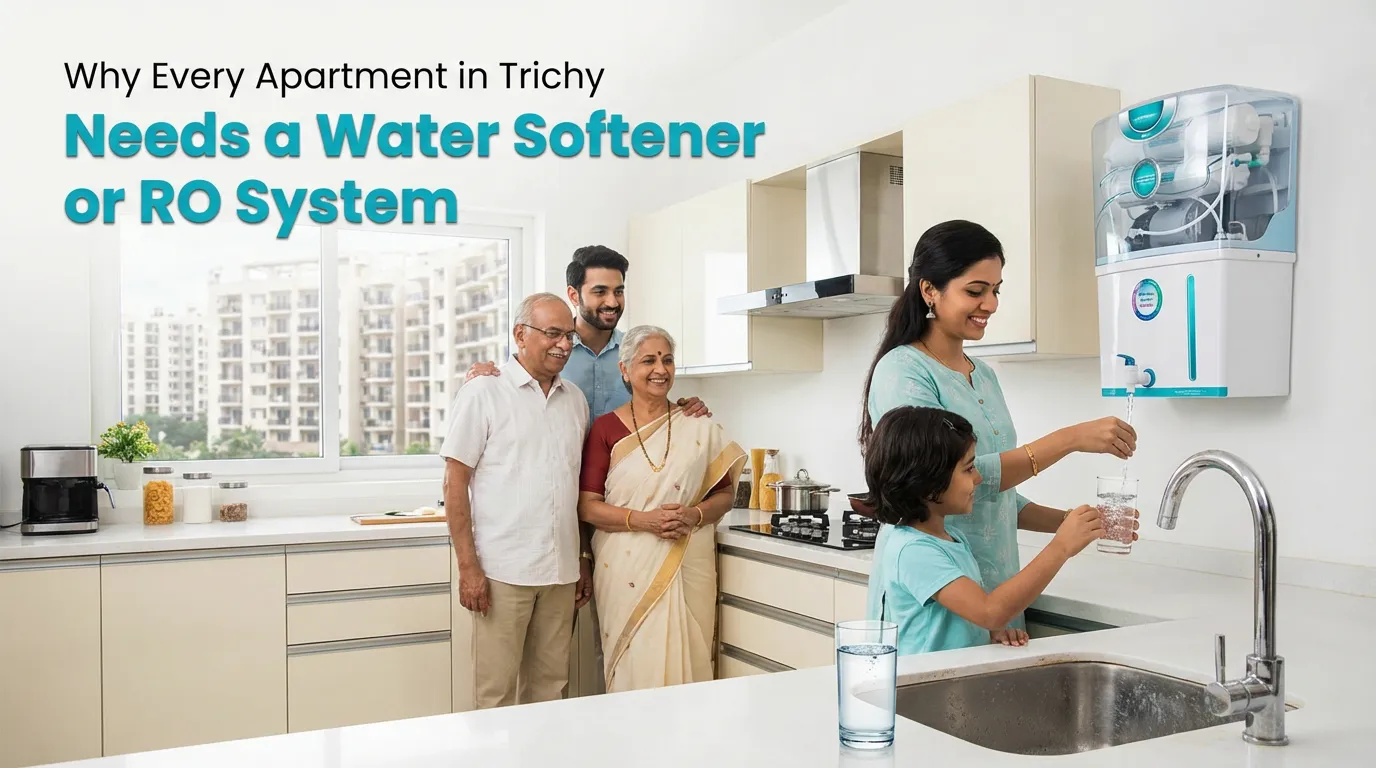
Apartment living in Trichy has grown rapidly over the past decade. From compact residential blocks to large gated communities, more families are moving into apartments for convenience and urban lifestyle benefits. However, along with this growth comes a serious but often overlooked issue — water quality.
Many apartment residents assume that centrally supplied water is automatically safe and suitable for daily use. In reality, apartment water systems face unique challenges that make water softeners and RO purification systems essential, not optional. Let’s explore why every apartment in Trichy should seriously consider these solutions.
The Hidden Water Reality in Apartments
Unlike individual homes with a single water source, apartments often depend on a combination of water supplies, such as:
Municipal pipeline water
Borewell water from the apartment campus
Tanker water during shortages
This mixing of sources leads to inconsistent water quality, making it difficult to predict mineral levels, contamination risks, and suitability for consumption.
Hard Water: A Major Apartment Problem
One of the biggest issues in apartment water systems is hardness.
Why apartments face more hardness:
Borewell water is commonly used to reduce municipal dependency
Groundwater in and around Trichy passes through mineral-rich soil
Storage tanks concentrate minerals over time
Effects inside apartments:
White scale on bathroom fittings
Blocked showerheads and taps
Shorter lifespan of washing machines and geysers
Increased detergent consumption
Over time, hard water causes costly maintenance for both residents and apartment associations.
Impact on Plumbing Systems
Hard water doesn’t just affect visible surfaces—it damages internal plumbing.
Mineral buildup inside pipelines leads to:
Reduced water flow
Higher pump pressure
Pipe corrosion
Frequent repair needs
For apartment buildings, this means rising maintenance costs and frequent complaints from residents.
Why a Water Softener Is Essential
A water softener removes excess calcium and magnesium from water before it enters apartments.
Benefits for apartment living:
Prevents scale formation
Extends appliance life
Improves soap efficiency
Reduces plumbing repairs
For centralized apartment systems, installing a central softener benefits the entire building.
Drinking Water: A Different Concern
Even if water looks clear, it may still contain:
Dissolved salts
Chemical impurities
Microbial contamination
Apartment water tanks and pipelines can introduce contamination due to:
Infrequent cleaning
Stagnant water
Pipe leaks
This makes RO purification necessary for drinking water.
Why RO Systems Are Important for Apartments
RO (Reverse Osmosis) systems remove dissolved impurities that softeners cannot.
What RO removes:
Excess salts
Heavy metals
Chemical contaminants
Why it’s crucial in apartments:
Water source changes (municipal + borewell + tanker) make it impossible to rely on a single purification method.
RO ensures consistent water quality regardless of supply variation.
Health Risks Without Proper Treatment
Using untreated apartment water may lead to:
Digestive issues
Skin irritation
Hair fall
Long-term mineral imbalance
Children and elderly residents are especially vulnerable.
Storage Tank Contamination Risk
Apartment complexes have large overhead and underground tanks. If not cleaned regularly, they become breeding grounds for bacteria.
Even treated water becomes unsafe if stored improperly. RO systems provide an additional safety layer.
Appliance Protection
Hard water damages:
Geysers
Washing machines
Dishwashers
Water heaters
A softener significantly reduces repair and replacement costs.
Cost Comparison: Prevention vs Repairs
Many residents hesitate to invest in water treatment systems due to cost. However:
| Without Softener/RO | With Softener/RO |
|---|---|
| Frequent repairs | Lower maintenance |
| Appliance damage | Longer lifespan |
| Health risks | Safe water |
| Higher detergent use | Efficient cleaning |
Prevention is far more economical in the long run.
Central vs Individual Solutions
Central Softener
Installed at building inlet
Treats water for all apartments
Best for hardness control
Individual RO System
Installed inside each home
Ensures safe drinking water
The ideal setup: Central softener + individual RO purifier.
Seasonal Water Changes in Apartments
During summer, apartments rely more on borewell and tanker water, increasing mineral levels. In monsoon, contamination risk rises.
This seasonal fluctuation makes permanent water treatment essential.
Long-Term Property Value
Buildings with proper water treatment:
Face fewer plumbing issues
Have better resident satisfaction
Maintain higher property value
Water quality is becoming a deciding factor for homebuyers.
Environmental Benefits
Softened water:
Reduces detergent use
Lowers electricity consumption in heaters
Reduces chemical scaling waste
Proper purification promotes sustainable living.
Common Myths
“Apartment water is already treated.”
Treatment at source does not guarantee safety at tap.
“Boiling water is enough.”
Boiling does not remove dissolved salts.
“Soft water tastes bad.”
Softening affects hardness, not taste negatively.
Expert Recommendation
For Trichy apartments:
Install central water softener
Use RO purifiers for drinking
Clean tanks regularly
Monitor water quality
This combination ensures both comfort and safety.
Conclusion
Water quality challenges in Trichy apartments are real and unavoidable due to mixed sources, hard groundwater, and storage risks. Installing a water softener and RO system is not a luxury—it is a necessity.
These systems protect health, appliances, plumbing, and property value while ensuring safe and comfortable living.
Clean water means better life quality. In apartment living, smart water treatment is the key.
FAQ's
Not always. Municipal supply is often mixed with borewell or tanker water in apartments, which can increase hardness and require softening.
No. A softener removes hardness minerals but does not eliminate dissolved salts, chemicals, or microbes. An RO system is needed for safe drinking water.
Hard water causes scale buildup inside pipelines, reducing flow and increasing pressure, which leads to leaks, corrosion, and frequent repairs.
A central softener helps reduce hardness for all flats, but individual RO purifiers are still required inside homes for drinking water safety.
Overhead and underground tanks should ideally be cleaned every 6 months to prevent bacterial growth and contamination.