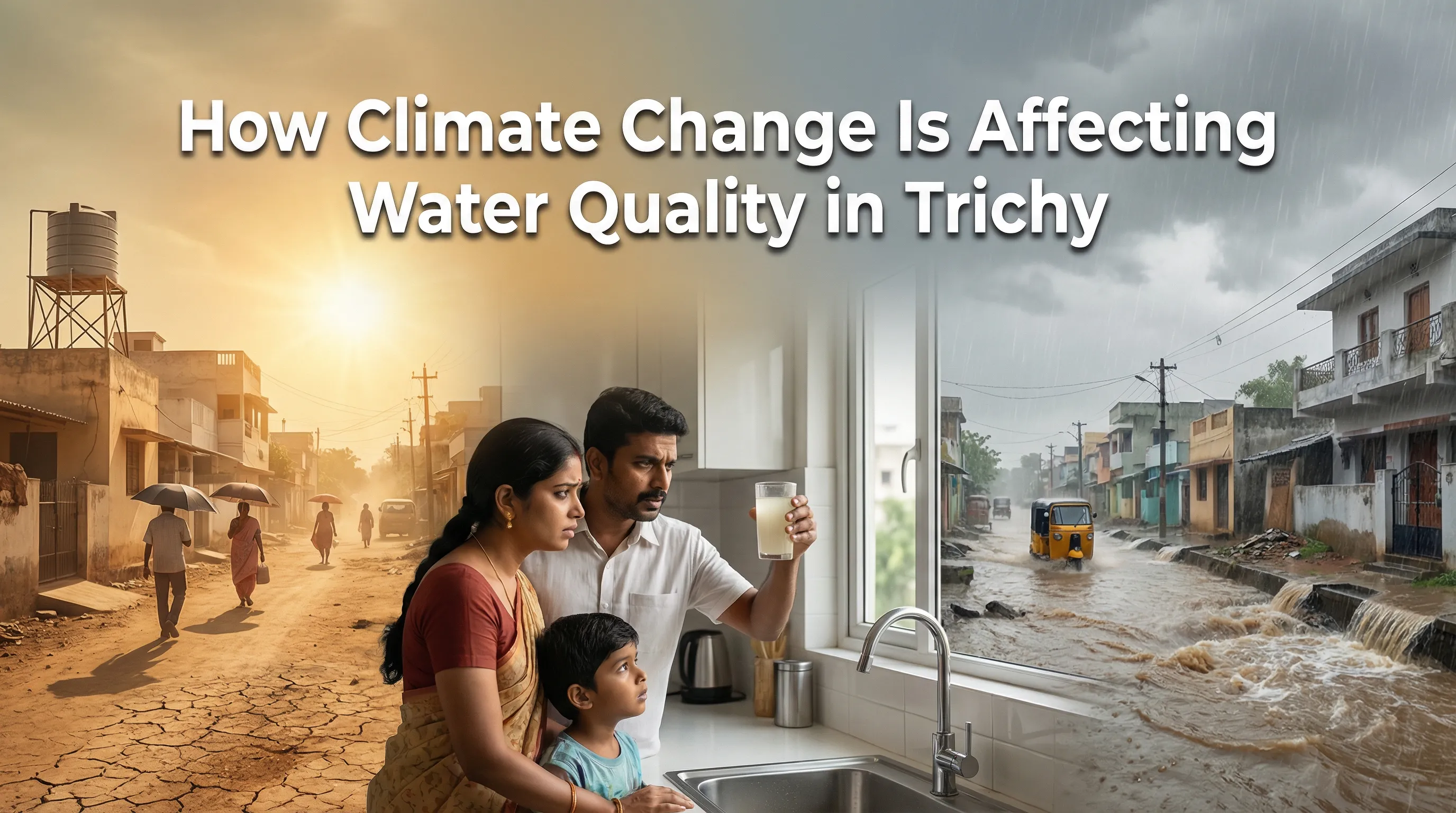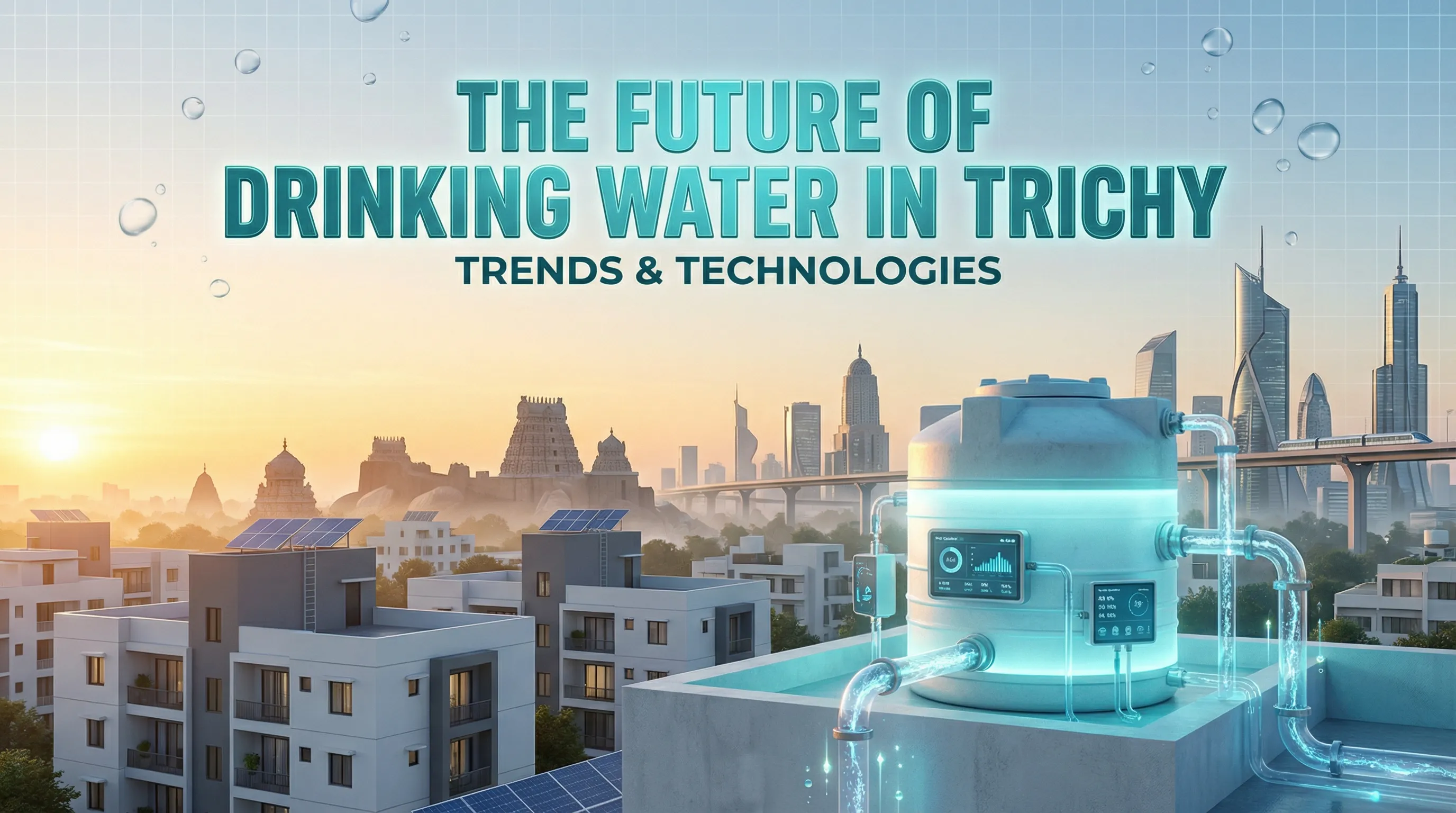
Water has always shaped the growth of cities, and Trichy is no exception. As the city expands with new residential zones, commercial spaces, and industries, the demand for clean and reliable drinking water continues to rise. While traditional water sources like rivers and groundwater have served the city for decades, future needs require modern technology, smarter management, and sustainable solutions.
The future of drinking water in Trichy is not just about finding more water—it’s about making water safer, more efficient to use, and environmentally sustainable. Let’s explore the key trends and technologies that are set to transform drinking water systems in the coming years.
1. Shift Toward Advanced Water Purification
Basic filtration is no longer enough. Future drinking water systems in Trichy will rely on multi-stage purification technologies that combine:
Reverse Osmosis (RO)
UV sterilization
Ultrafiltration (UF)
Activated carbon treatment
These systems will become more efficient, compact, and energy-saving, making high-quality purification accessible even in small apartments.
2. Smart Water Purifiers
Technology is entering home water systems. Smart purifiers will include:
Real-time water quality monitoring
Filter life indicators
Mobile app alerts
Automatic service reminders
Residents will no longer guess when to change filters—systems will notify users automatically.
3. Community-Level Water Treatment
Future apartment complexes and commercial buildings will increasingly adopt centralized treatment systems.
Benefits include:
Uniform water quality across all units
Reduced maintenance costs
Better control over water safety
Large residential communities in Trichy are already exploring centralized softening and purification plants.
4. Increased Focus on Water Softening
Hard water issues are pushing the adoption of central water softeners in residential and commercial properties. Softening protects infrastructure and reduces maintenance, making it a standard feature in future building designs.
5. Rise of IoT in Water Management
Internet of Things (IoT) technology will help monitor:
Water usage patterns
Leakage detection
Tank water levels
Pressure fluctuations
Smart sensors will help apartment associations manage water efficiently and prevent wastage.
6. Sustainable Water Solutions
With groundwater levels declining, sustainability will drive future trends.
Emerging practices include:
Rainwater harvesting integration
Greywater recycling
Reduced water wastage through efficient fixtures
Future buildings in Trichy will integrate purification and recycling systems from the design stage.
7. Improved Water Testing Awareness
Residents and businesses are becoming more aware of water quality testing. Portable TDS meters and home testing kits are making it easier to monitor water safety.
In the future, regular testing will become as common as servicing appliances.
8. Energy-Efficient Water Purification
Older RO systems waste more water and consume more electricity. Future technologies will focus on:
Low-waste RO membranes
High-recovery purification
Energy-efficient pumps
This reduces environmental impact and operating costs.
9. Commercial Water Treatment Expansion
Hotels, hospitals, schools, and offices will invest more in advanced water treatment systems to meet safety and hygiene standards.
Commercial spaces in Trichy will move toward:
Large-capacity RO plants
Centralized softeners
Regular automated monitoring
10. Digital AMC and Predictive Maintenance
Maintenance contracts will become more technology-driven.
Future AMC services may include:
Remote system monitoring
Predictive filter replacement
Automated service scheduling
This reduces downtime and improves water safety reliability.
11. Government and Policy Influence
Water quality regulations and public awareness campaigns will push for safer drinking water standards. Future policies may require better treatment systems in large residential and commercial buildings.
12. Household-Level Customization
Instead of one-size-fits-all solutions, future systems will be customized based on:
Water source
Usage pattern
Household size
Smart systems will adjust purification levels automatically.
13. Better Storage Hygiene Technologies
New materials and coatings for storage tanks will reduce bacterial growth and contamination risks.
14. Portable and Compact Systems
As apartment sizes become smaller, compact and under-sink purification systems will grow in popularity.
15. Awareness-Driven Lifestyle Changes
People are increasingly aware of water quality and health links. Future consumers will prioritize safe water systems as a basic household requirement, just like electricity and internet.
Challenges That Will Shape the Future
Increasing population
Groundwater depletion
Urban infrastructure pressure
Climate variability
These challenges will push faster adoption of advanced technologies.
What This Means for Trichy Residents
The future of drinking water in Trichy will be:
Technology-driven
Safety-focused
Environmentally sustainable
More reliable and efficient
Homes, apartments, and businesses that adopt modern systems early will benefit the most.
Conclusion
The future of drinking water in Trichy is moving toward smart purification, sustainable management, and advanced technologies. Traditional methods will no longer be enough to meet growing demand and quality expectations.
By embracing innovation, Trichy can ensure safe, efficient, and sustainable drinking water for the next generation. Clean water is not just a necessity—it’s the foundation of a healthy future.
FAQ's
Smart systems will monitor water quality, track filter life, detect leaks, and send maintenance alerts, ensuring safer and more efficient water management.
Yes. New-generation RO technologies are designed for higher water recovery, meaning less water is wasted during purification.
Centralized systems provide uniform water quality, reduce individual maintenance costs, and allow better monitoring and control of water safety.
Practices like rainwater harvesting and recycling reduce dependence on stressed groundwater sources, helping maintain better overall water quality.
Water testing will become routine, helping residents detect quality changes early and adjust purification systems accordingly.